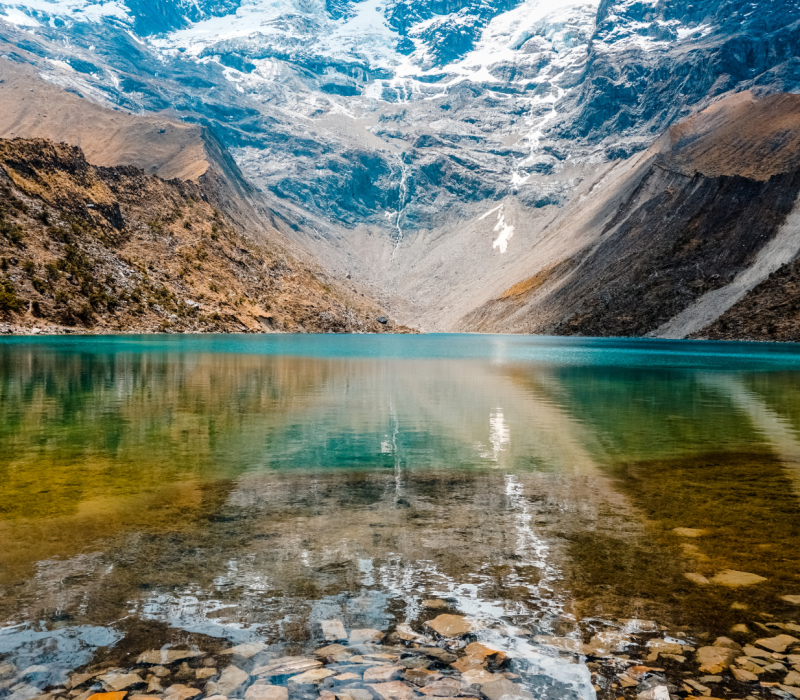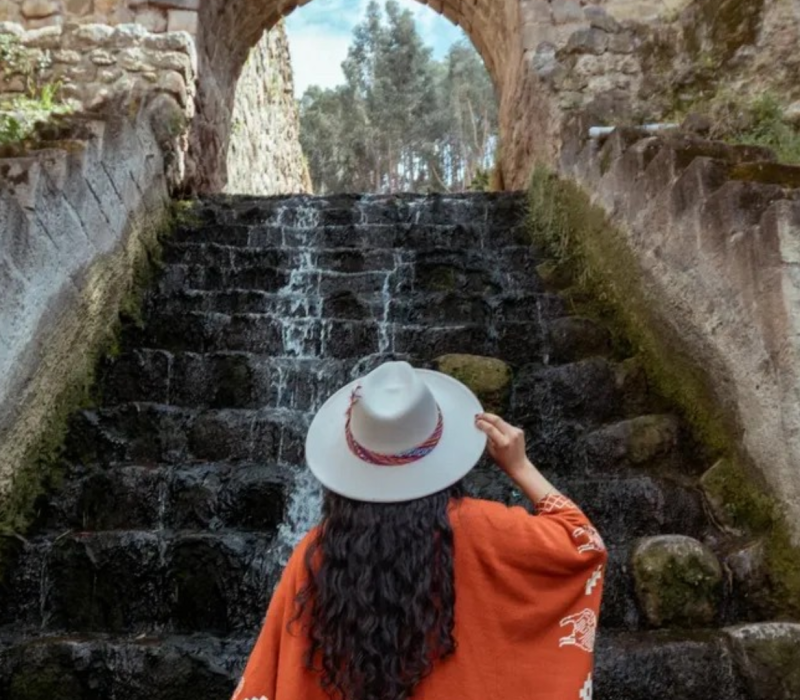


If your trip to Peru includes Cusco, Sacred Valley, Machu Picchu and (even worse) treks such as Humantay Lagoon, Salkantay, Ausangate or 7 Colors Mountain, the “basic insurance” is often not enough. Not because Peru is dangerous in itself, but because altitude + physical activities trigger two things: more likely to need medical assistance and more chances that the insurance will deny you reimbursement for “non-covered activity”. Therefore, taking out travel insurance for Peru is a highly recommended measure that you should consider before planning your vacation.
The key is simple: buy insurance that covers your actual itinerary, not the ideal trip you envisioned.
Why do you recommend taking out health insurance to travel to Peru?
Peru is not “dangerous” by definition, but it is a destination where the unforeseen is paid dearly if you are far from home. On a typical trip (Lima + Cusco + Sacred Valley + Machu Picchu), the big differentiating factor is the height: it changes how your body responds, demands more physically from you and makes a minor picture feel like something serious. Severe headache, nausea, agitation when walking, extreme tiredness… It is not always serious, but sometimes it forces you to brake, go to an emergency room, have tests or ask for specific medication.
In addition, Peru is usually armed with chained logistics: internal flights, long transfers, trains, tours with strict schedules. When something falls, the ripple effect is real. That’s why insurance isn’t just “in case I get sick”: it’s also a tool so that, if something happens, you don’t miss the entire trip or get into debt.
The important thing is to understand the difference between “having insurance” and having insurance that really responds to you. There are policies that make you pay everything and then claim (reimbursement), and others that coordinate and cover directly (assistance). In a place you don’t know, where you don’t want to be discussing paperwork at the worst time, assistance is usually the simplest way.
What kind of coverage is necessary for trekking or mountain excursions in Peru?
If your plan includes trekking or mountain excursions (even if they are “classic” and touristy such as Humantay or Mountain of 7 Colors), you need to think about insurance with a terrain mentality: the critical thing is not only the accident, but where it catches you. A slip, sprain, or severe discomfort in a remote area may require a transfer to a medical facility, and that transfer may be the most expensive part of the entire episode.
Therefore, in addition to decent medical coverage for illness and accident, what separates useful insurance from decorative insurance is that it includes emergency medical evacuation and, depending on the case, rescue. Evacuation means that you are taken to the right place to be treated, not “the nearest one and get ready”. On mountain routes, that difference matters.
The other key point is that the insurance recognizes your activity. Many policies divide the world between normal tourism and “adventure activities”. And even if you feel that “trekking is not adventure”, for sure it can be. If the activity is not contemplated, the problem appears later, when you want to use it. That is why it is advisable to choose a policy where trekking/hiking appears explicitly, and does not remain in an interpretive gray.
A practical clarification is also worthwhile: you don’t have to go to the extreme to need mountain coverage. In Peru, many popular excursions combine altitude, effort, and changing weather. If you are well covered by these three elements, you travel with another peace of mind.
The height limit: a detail that almost everyone forgets
This is the most common mistake: people buy “adventure” insurance and assume that it is covered, but then discover that there is a height limit. Some policies cover up to a certain number of meters, and if your excursion exceeds that threshold, they can exclude you just when you need it most.
And why does it happen? Because, from the point of view of risk, it is not the same to walk at 2,000 meters as it is at more than 4,000. The body reacts differently, the margin of error is smaller and rescues are more complex. Then the insurers put a cap and, if you want to go higher, they ask you for an upgrade. The problem is that almost no one reads it… until he repents.
In Peru, this is especially true in destinations where “it seems like a simple hike,” but you are very high. Many day trips move in ranges where that limit may be just right. Therefore, if your itinerary includes mountains, the question is not “do I have insurance?”, but: does my insurance cover the maximum height of my trip? If that answer isn’t a clear yes, you’re playing roulette.
If you would like to know how to avoid altitude sickness, we invite you to read the article How to Avoid Altitude Sickness (Soroche) in Cusco: Complete Guide to Enjoy Your Trip
Checklist before you travel
- Clear itinerary: write down cities and excursions (especially if there are mountains, lagoons, trekkings or long walks).
- Type of coverage: prioritizes assistance (which coordinates and covers on the spot) over “reimbursement only.”
- Medical coverage: which includes illness and accident, consultations, medication, studies and hospitalization.
- Evacuation and rescue: emergency medical evacuation and, if you go mountain/trek, rescue.
- Declared activity: that “trekking/hiking” is explicitly covered and does not remain as “general tourism”.
- Height limit (in meters): confirm that it covers the maximum height of your excursions (if not, ask for an upgrade).
- Important exclusions: check what it does not cover (mountaineering, use of technical equipment, off-trail routes, etc.).
- Cancellation and interruption: useful if your trip is chained (flights/trains/tours) and something falls out.
- Contact and use: save the assistance number, how to request help from Peru and what documents you will be asked for.
- If you would like to know how to equip your suitcase, we invite you to read the article Ultimate Guide: What to Pack for Your Trip to Cusco and Machu Picchu (and Don’t Suffer with the Weather!)
Are you interested in knowing what experiences you can do in Peru? Contact us and we will pass you access to INKA Planet Adventure to discover available tours and packages.