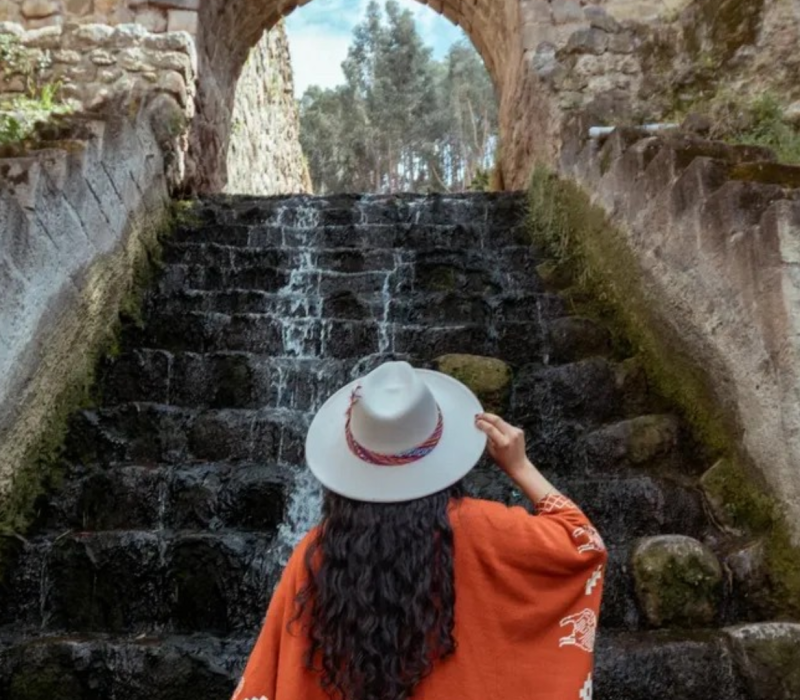


Traveling to Peru is much more than visiting iconic landscapes or touring world-renowned archaeological sites. It is an invitation to immerse oneself in a living, deep and diverse culture, where ancestral traditions are not only part of the past, but are still present in people’s daily lives. These traditions are expressed in the villages, in popular festivals, in rituals, in trades and in the way communities relate to the land and nature. Cultural tourism in Peru is an excellent option to connect with these experiences.
In Peru, history is not only observed in ruins or museums, but is lived day by day. Community organization, respect for natural cycles, the importance of the family and the symbolic value of the natural environment are part of a worldview that continues to be valid. Therefore, to achieve an authentic experience, it is essential to travel with time, avoiding hasty tours, and to do so with respect and an open look that allows you to observe, listen and learn from a culture that is still alive and constantly evolving.
In this article, we’ll look at some tips to soak up its culture and make the most of your experience on your next vacation in Peru.
Tips for enjoying a cultural trip in Peru
1. Travel without haste and observe everyday life
One of the main mistakes when touring Peru is wanting to cover too many places in a few days. Andean culture is not understood in a hurry. Walking without strict schedules, sitting in a square or talking with local people allows you to observe how traditions coexist with today’s life. Traveling slowly transforms travel into a much deeper experience.
2. Choose peoples with an active cultural identity
Not all destinations offer the same level of cultural connection. Some are designed for mass tourism, while others preserve practices and knowledge that are still alive. A clear example is Chinchero, an Andean town in the Sacred Valley of the Incas.
In Chinchero, the textile tradition is part of daily life. The weaving is not just handicrafts: the colors, designs, and techniques tell family stories, describe the natural environment, and reflect the Andean worldview. Visiting community workshops and listening to the weavers explain their work allows us to understand that each garment is a way of transmitting memory and knowledge.
On the Full Day Classic Sacred Valley Tour you will have the opportunity to meet the people and learn about their ancestral textile techniques.
3. Inform yourself before you arrive to better understand
Knowing basic aspects of Andean history before the trip completely changes the experience. The understanding of concepts such as Pachamama, the value of community work and the importance of natural cycles provides context to what is observed during the tour. Traveling with this knowledge base favors a more respectful and conscious approach, and helps to avoid superficial or stereotypical views of the local culture.
One of the advantages of traveling with Guided Tours is that you will have the opportunity to have guides who will be able to transmit this knowledge to you, which enriches your stay in Peru much more. In the note Guided tour vs self-travel: which option is more convenient when traveling in Peru? we describe its advantages in more detail.
4. Understand the meaning of traditional festivals
Celebrations occupy a central place in Peruvian culture. The Inti Raymi, celebrated every June 24 in the city of Cusco, recreates the ancient Inca ritual in honor of the Inti, the Sun god, coinciding with the winter solstice.
Beyond its current staging, the Inti Raymi retains a profound symbolic value. It represents the relationship between human beings, nature and time, and allows us to understand why the Sun was a central axis in the spiritual, social and political organization of the Inca Empire. Experiencing this celebration with historical context provides a much richer understanding of the country’s cultural past and present.
5. Integrate cultural activities into everyday travel life
Incorporating cultural activities into the travel routine allows for a deeper connection with the place. To achieve this, you can visit local markets, participate in fairs, observe traditional trades or share typical foods are simple ways to approach culture from everyday life. In towns like Chinchero, these experiences allow us to understand how traditions are kept alive and are part of the daily life of the community.
6. Observe, listen and travel with respect
Not every cultural moment needs to be photographed. Observing more and registering less allows us to pay attention to the gestures, silences and social dynamics that are part of everyday life. In addition, it is important to avoid idealizing: Andean culture is not a postcard frozen in the past, but a living, dynamic reality in constant transformation.
Connecting with Peru’s culture means going beyond the most well-known destinations and traditional tourist tours. It means taking the time to listen, observe and learn, understanding that each people, each celebration and each cultural practice has a deep meaning linked to the history, territory and way of life of its communities. This look allows you to discover a country where culture is not an isolated attraction, but an active part of everyday life.
Whether it’s touring Chinchero and learning about its textile traditions, or living the Inti Raymi in the city of Cusco with an understanding of its symbolic meaning, the real journey begins when one stops being a mere spectator. From that moment on, the trip becomes an experience of understanding and respect, where contact with Peruvian culture leaves a mark that goes far beyond the memory of the places visited.