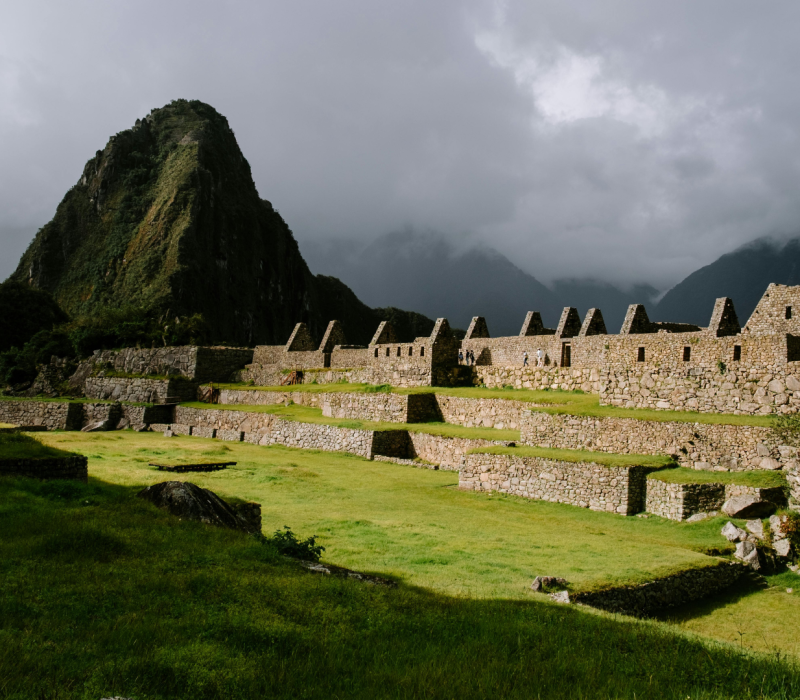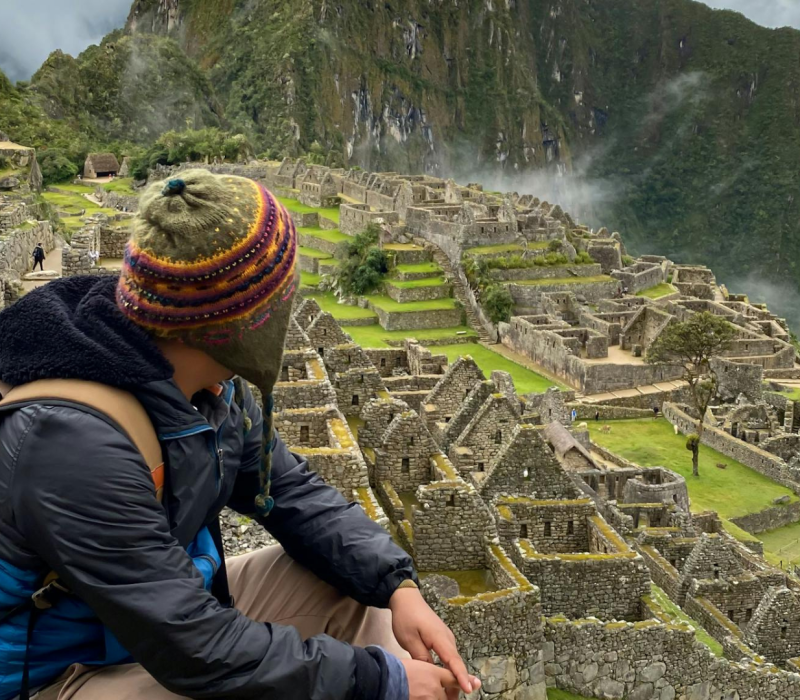


Laguna Humantay is one of those places that in photos looks like “a quiet walk” and in reality demands a lot from you for one main reason: the altitude. The scenery is impressive (turquoise water, snow-capped in the background, open mountain), but it is advisable to go with realistic expectations to enjoy without suffering. Here are the essentials: real difficulty, altitude, times and practical tips to make the hike go well.
Real Difficulty and Altitude: Why It Feels Harder Than It Looks
The hike to Laguna Humantay is not technical (it does not require climbing or dangerous maneuvers if you follow the main trail), but it is demanding because of the combination of slope + height. The starting point is usually Soraypampa, around 3,900 meters above sea level, and the lagoon is close to 4,200 meters above sea level. That difference in altitude, while it may not seem huge, feels strong when the body is not yet well acclimatized.
In terms of actual difficulty, think of it like this: If you’re used to walking in the city or doing light exercise, it probably seems moderate to high. If you train frequently or have already been at altitude for a few days, it usually feels moderate. Most of the route is constantly uphill, with sections where the slope intensifies and forces you to slow down.
The important thing is to understand that at altitude it is not just “lack of condition”: it is less oxygen available. It’s normal to notice faster breathing, high heart rate, and heavy legs, even if you’re an active person. The most common mistake is to leave quickly for the first 10–15 minutes and get exhausted. At Humantay it works best to go slowly, steadily and with controlled breathing.
Real times of the route and how the day is lived
Most visits are made on a full day tour from Cusco. The day usually starts very early (early morning), with a road ride of approximately 2 to 3 hours to the Mollepata/Soraypampa area (depending on logistics and traffic). From Soraypampa the walk begins.
In real times of walking, for most travelers it is reasonable to consider:
- Ascent: between 1 h 30 min and 2 h 30 min (depending on pace, weather and adaptation to altitude).
- Descent: between 45 min and 1 h 30 min (it is faster, but requires knee care and stability).
- Time in the lagoon: usually 30 to 60 minutes (depending on the weather; if it is cold or windy, it is advisable not to stay too long).
To this add breaks, photos and the return by transport. All in all, it’s a long day, and that also plays a role: getting up early + altitude + cold can make you feel heavier than expected.
Useful fact: in many cases there is the option of renting a horse for the climb (it does not reach the exact edge of the lagoon, but it helps a lot if the slope is difficult). It is not “cheating”: it is a valid alternative if you prefer to arrive with more energy to enjoy.
Practical tips to enjoy the hike (without having a bad time)
Acclimatization first. If you can, visit Humantay after 1–2 days in Cusco or after a mild tour (e.g. city tour or Sacred Valley). Going on the first day when you have just arrived increases the probability of discomfort due to altitude.
Mountain pace: short and steady steps. Climb with short steps, without speeding up. Take short breaks. Avoid sitting for long minutes: the body gets cold and it is difficult to get back up. Better micro-stops of 20–40 seconds.
Hydration and simple snacks. Drink water early. Bring easy snacks: fruit, nuts, chocolate or bars. Avoid alcohol the night before and very heavy meals.
Layered clothing. Even if it’s sunny, there can be cold wind above. Ideal: breathable first layer + thermal coat + windproof/waterproof. A hat and thin gloves can make all the difference. Essential sunscreen: at altitude the radiation is more intense.
Footwear with good grip. Trekking or sports shoes with firm soles. The trail may have loose stone, dust, or mud if it rained. If you carry poles, they help a lot, especially on the way down to take care of your knees.
How to manage altitude discomfort. If you know that altitude affects you, consult with a health professional before your trip. In the area, infusions or coca candies are consumed, but they do not work miracles: what helps the most is acclimatization, hydration and regulate the effort.
Don’t get obsessed with “getting there fast.” Humantay is enjoyed when you arrive energized to look at the scenery, breathe calmly, take photos, and stay for a few minutes. If severe headache, severe nausea or marked dizziness appear, warn and descend: at altitude it is advisable to be cautious.
Laguna Humantay is not impossible, but it is not a short walk either. With preparation (acclimatization, pace, proper clothing and good hydration) it becomes one of the most memorable hikes near Cusco, through the landscape… and because the effort is really worth it. On our full day tour to Humantay Lagoon, you will be able to find one of the most complete experiences, including meals, expert guides, transportation and other amenities.
Are you interested in knowing what experiences you can do in Peru? Contact us and we will pass you access to INKA Planet Adventure to discover available tours and packages.