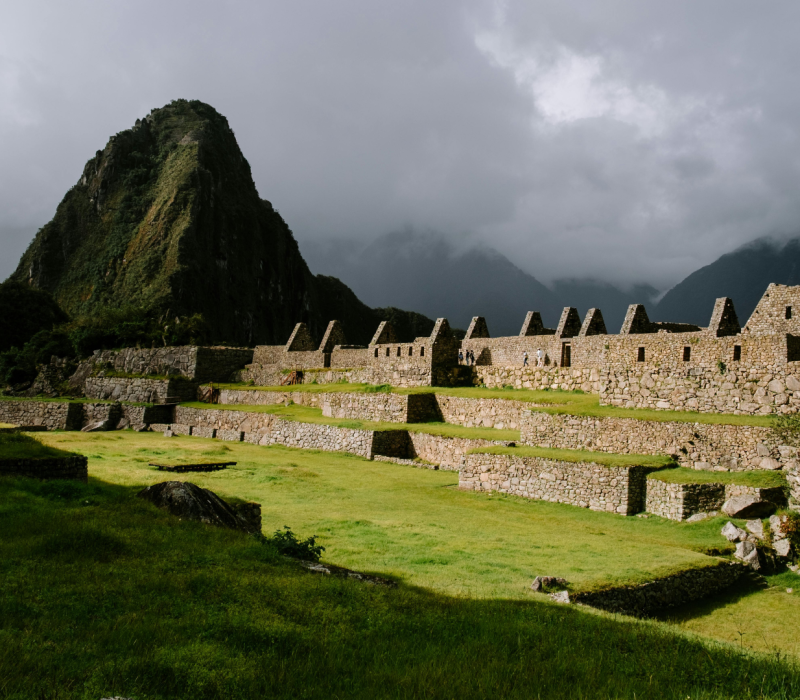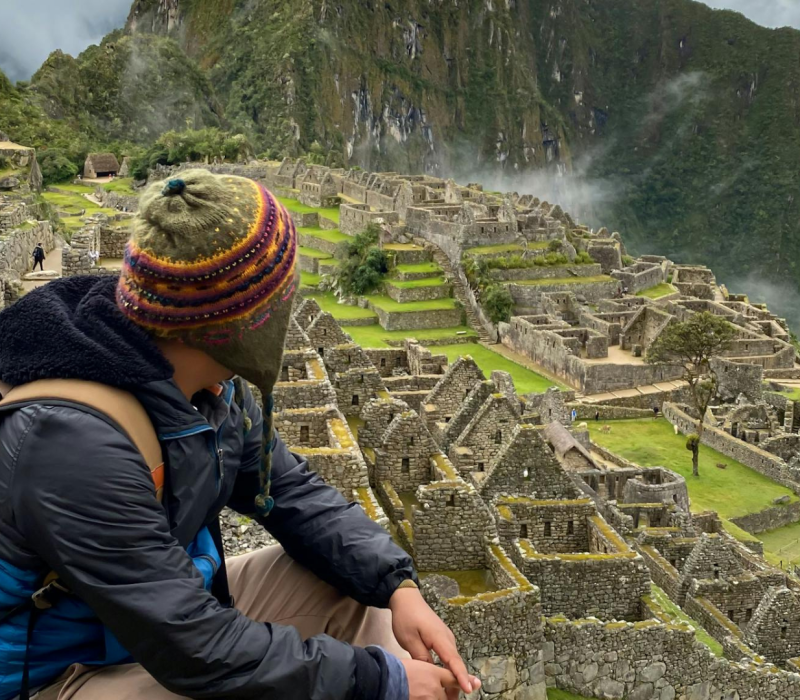


Traveling in Peru is not only about touring landscapes or visiting ancient ruins. It is an experience that is lived with all the senses, and especially with taste. In places like Cusco, the Sacred Valley, and Lima, gastronomy is a direct expression of the country’s history, geography, and cultural identity. Each dish reflects centuries of agricultural knowledge, cultural exchange and adaptation to a unique territory.
Combining gastronomy and cultural tourism in the same trip allows you to get to know Peru from the inside. It is not only about tasting typical foods, but also about understanding why these flavors exist, where the ingredients come from and what role they play within the daily life of the communities.
Cusco and Lima form a perfect route for this type of trip: from the ancestral cuisine of the Andes to the modern fusion of the capital.
What typical dishes of Peru do we recommend for your trip?
Peruvian cuisine changes depending on the region, and touring Cusco, the Sacred Valley and Lima allows you to discover that diversity at its best.
In Cusco, gastronomy is deeply linked to the Andean world. Here ingredients such as potatoes, quinoa, corn, chili peppers and meats adapted to the high altitude climate predominate. Dishes such as guinea pig, pork rinds with mote, quinoa soup or Cusco marinade reflect centuries of agricultural and cultural tradition. They are hearty meals, designed for cold climates and working days at height, and they are still part of the daily life of the region.
In the Sacred Valley, the experience is even closer to the earth. This area is one of the great agricultural centers of Peru, with an enormous diversity of native potatoes, corn and herbs. Many traditional dishes are prepared with freshly harvested products, allowing the traveler to experience much more intense and authentic flavors. In addition, the cuisine of the Sacred Valley maintains ancestral cooking and conservation techniques that connect directly with the Inca era.
If you would like to get to know the Sacred Valley, we invite you to know a full day tour that you will surely love, since you can also take the opportunity to enjoy its unique flavors in an Andean buffet lunch.
In Lima, the panorama changes. Here the gastronomy becomes more urban and diverse. Lima’s cuisine combines products from the coast, the mountains and the jungle with Spanish, African and Asian influences. The result is one of the richest cuisines in Latin America, where dishes such as ceviche, lomo saltado, causa and ají de gallina coexist, all with a very marked identity.
Touring these three areas allows you to understand how territory and history define what is eaten in each part of Peru. On the Lima City Tour you can find a perfect combination, as you will also be able to learn about all the history and the most emblematic sites of Peru, leaving you enough time to continue your gastronomic experience in the city.
Recommendations to enjoy a true gastronomic experience in Peru
For gastronomy to be a real part of the journey, it is important to go beyond the superficial. A good recommendation is to approach the local markets, observe the ingredients and understand how they are used. There you can see the basis of all Peruvian cuisine: the variety of potatoes, types of corn, Andean fruits and spices.
It is also key to try traditional dishes, even those that are not so well known outside the country. Many times, the most authentic recipes are the least promoted to tourists, but the most representative of the local culture.
Another way to deepen the experience is to participate in activitieswhere the complete process is shown, from cultivation to preparation. This is especially interesting in the Sacred Valley, where agricultural production is still closely linked to the daily life of the communities.
Finally, it’s worth taking the time to understand the story behind each dish. In Peru, food is connected to rituals, festivities, and traditions that are kept alive to this day.
What makes Lima’s gastronomy unique in Peru
Peruvian gastronomy is one of the most recognized in the world because it is born from a combination that few countries have: extraordinary biodiversity and a history of very deep cultural mix. In a single territory, ingredients from the coast, the mountains and the jungle coexist, which gives rise to a variety of flavors, textures and products impossible to replicate in other places.
Added to this is a complex cultural heritage. Peru’s cuisine is not only indigenous or only European: it is the result of centuries of exchange between Andean peoples, Spanish colonization and African, Chinese and Japanese migrations. Each of these cultures contributed techniques, condiments and ways of cooking that were integrated into local products. That is why in Peru you can find dishes with pre-Hispanic roots prepared with oriental or European techniques.
Another key factor is the direct relationship between food and territory. In the Andes , an extremely sophisticated agriculture developed, with thousands of varieties of potatoes, corn and grains adapted to different altitudes and climates. On the coast, the Pacific provides one of the greatest marine riches in the world. In the Amazon, fruits, fish and spices complete a unique culinary ecosystem. That natural diversity translates directly into the kitchen.
Finally, what makes Peruvian gastronomy really special is that it is not a “museum” cuisine. It is a living cuisine, which is still used every day in homes, in markets and at celebrations. Traditional dishes are not heirlooms: they are part of everyday life. Therefore, when someone travels through Peru and tastes its food, they are not only eating well, they are coming into contact with a culture that continues to breathe through its flavors.